



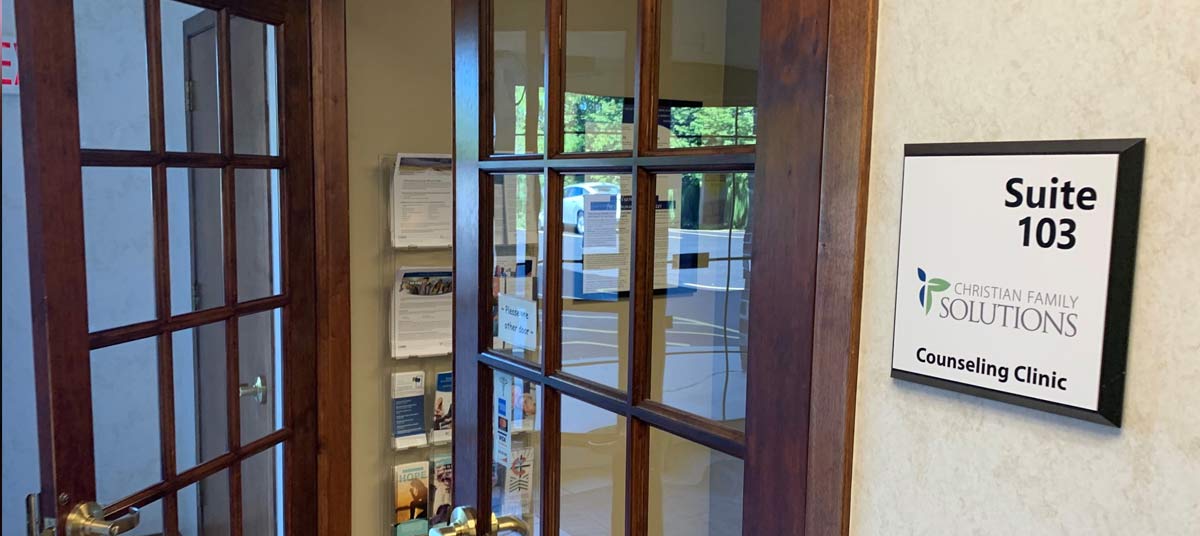

Ericka wasn’t looking for help. Not really. She felt something was missing in her life and craved the feeling of belonging, but she had lived with emotional pain for so long that it felt normal. Then two people came into her life: one was a Christian coworker, the other her boyfriend. They didn’t offer perfect solutions. What they offered was their presence, patience, and an invitation to seek help.
Through their encouragement, Ericka was introduced to both a church community and a Christian counselor at CFS. She began a journey toward healing that changed her life. (Read Ericka's full story here.)
Her story reminds us: What if your conversation with a friend today could save their life tomorrow?
Mental Health Impacts Everyone
Statistics tell us what stories like Ericka’s show us: many people are silently hurting and are not okay.
- In 2024, 23% of U.S. adults experienced a mental illness, equivalent to nearly 60 million Americans.
- 43% of adults say they feel more anxious today than they did a year ago.
- Suicide rates are again rising after a short pandemic-related decline. They're currently the highest since 1941.
- Only 7% of individuals with a mental health disorder receive effective treatment. Many face barriers such as not recognizing their need for help or feeling hesitant to seek care due to stigma, fear, or uncertainty about where to turn.
These aren’t just numbers. They are your neighbors. Friends. Family members. Coworkers. Church members. And maybe even you.
We Are an Orchestra: Each Role Matters
Mental health ministry is not a solo act. It’s an orchestra. And in this ensemble, everyone plays a part:
- Some strike bold notes—pastors preaching openly about mental health, donors funding care, counselors guiding recovery.
- Others create a steady rhythm—parents who nurture emotional safety, friends who check in, church leaders who offer resources.
- Some play quietly, almost imperceptibly—like the coworker who listens with compassion or the prayer warrior behind the scenes.
But together? We create harmony.
Caring for mental health is part of our calling to love others well. It’s a form of stewardship. It’s one way we honor God by caring for the body, mind, and soul he gave us.
Your Love in Action Can Change a Life
So what can you do during Mental Health Awareness Month and beyond? Here are four steps to consider:
1. Pray for the hurting. “Lord, be near to the brokenhearted. Use me to extend your comfort, and let my actions reflect your love. Amen.”
2. Check in on others. Your voice matters more than you know. Need ideas? Read this article for tips on starting the conversation.
3. Seek help or encourage others. Getting professional help is a sign of strength, not weakness. CFS offers Christ-centered counseling for individuals, teens, couples, and families—online or in person. Fill out an online appointment request or call 800-438-1772.
4. Support our Christian mental health ministry. Your gift helps us expand services and reduce financial barriers, making Gospel-centered mental health care available to more people. Donate here.
What’s Your Role?
Everyone’s part looks a little different. Which one are you today?
☐ The Listener - You’re ready to check in on a friend or loved one. You believe that showing up makes a difference.
☐ The Seeker - You’re carrying something heavy, and you know it’s time to ask for help, either for yourself or someone close to you.
☐ The Encourager – You hold open conversations about mental health and share your challenges, helping others realize they’re not alone and not without hope.
☐ The Giver - You want to help behind the scenes by removing barriers and funding Gospel-centered care for those in need.
Whichever one you checked, you’re part of the solution!
Let’s create a community where mental health is met with grace, truth, and love in action.
 Make An Appointment Call Us Back to All Articles
 Sign up for Mental Health Moments emails